



Was tun, wenn das WLAN nicht funktioniert?
In einer Welt, in der wir ständig online sind, kann ein Ausfall der WLAN-Verbindung eine echte Katastrophe sein. Ein nicht funktionierendes WLAN kann sowohl in Haushalten als auch in Büros erhebliche Probleme verursachen. Stellen Sie sich eine Situation vor, in der Sie schnell eine wichtige E-Mail versenden, eine Online-Vorlesung verfolgen oder auch nur Ihre Lieblingsserie streamen müssen und plötzlich ohne Verbindung dastehen. Wie geht man vor, wenn Ihr Notebook das WLAN nicht sieht? Beziehungsweise, wenn Sie verbunden sind, aber das Internet trotzdem nicht geht. In den folgenden Zeilen finden Sie praktische Ratschläge, die Ihnen helfen werden, in die digitale Welt zurückzukehren. Read more »
SmartHome günstig und clever: Wann lohnt sich der Griff zu alternativen Protokollen
Ein Smart Home basiert heute üblicherweise auf WLAN, Zigbee, Z-Wave oder dem neuen Standard Matter. Daneben existieren jedoch auch andere Verbindungsarten – von Bluetooth über proprietäre Protokolle bis hin zu lokalen Lösungen. Werden sie in der Praxis genutzt, oder handelt es sich eher um Sackgassen der Entwicklung? Und lohnt sich eine Investition, wenn der Markt auf einheitliche Standards zusteuert? Read more »
Ist WLAN das beste Protokoll für ein Smart Home? Seien Sie nicht so voreilig mit Ihrem Urteil und wählen Sie mit Bedacht
Wir sind der Frage nachgegangen, ob WLAN wirklich die beste Wahl für ein Smart Home ist. Wir geben Ihnen einen Überblick über die Vor- und Nachteile im Vergleich zu speziellen Protokollen und geben Ihnen Ratschläge, wie Sie die richtige Wahl treffen können. Read more »
Alles, was Sie über WiFi 6E wissen müssen
Schätzungen zufolge wird es bis 2025 weltweit etwa 100 Milliarden Internetanschlüsse geben. Und für IoT, VR/AR und andere Zukunftstechnologien reichen die 2,4- und 5-GHz-Bänder einfach nicht mehr aus. Aus diesem Grund werden die WLAN-Netze weiter verbessert, indem der WiFi 6-Standard zu WiFi 6E erweitert wird, wodurch das 6-GHz-Übertragungsband ins Spiel kommt. Was bedeutet dies für die Nutzer in der Praxis und welche Vorteile bringt es?
Read more »
Was ist WiFi 7?
WiFi 7, technisch bekannt als IEEE 802.11be, ist die neueste Generation des drahtlosen Netzwerkstandards. Es baut auf früheren Generationen wie WiFi 6 und 6E auf und verspricht höhere Geschwindigkeiten, bessere Zuverlässigkeit und eine effizientere Nutzung des verfügbaren Spektrums. Das Ziel von WiFi 7 ist es, eine vollständige Freiheit der drahtlosen Verbindung zu ermöglichen. Wie kann man auf WiFi 7 umsteigen und was braucht man dafür? Read more »
Was ist Matter?
Noch nie von Matter Standard gehört? Dann sind Sie hier gerade richtig! Es handelt sich um einen lang erwarteten Standard, der die verschiedenen Elemente eines Smart-Homes miteinander verbindet. Was kann er alles tun? Und welche Marken werben für das Matter Smart Home? Read more »
MESH WiFi-Netzwerk - was ist es und warum lohnt es sich
Stabile und schnelle WLAN-Konnektivität, egal wo Sie sich im Haus oder sogar im Garten befinden. Genau das kann das Mesh-WiFi-System ohne komplizierte Verkabelung bieten. Wie diese moderne Lösung funktioniert und was ihre wichtigsten Vorteile sind, erfahren Sie in diesem Artikel.
Read more »
WiFi 802.11ac
Standard 802.11n – WiFi 4 kann in beiden Bändern (2,4 und 5 GHz) kommunizieren und dank der MU-MIMO-Technologie (Multi-User Multiple Input Multiple Output), die eine solide tatsächliche Geschwindigkeit bietet, ist die MU-MIMO-Technologie hier besonders wichtig, da sie es dem WiFi-Router ermöglicht, mit mehreren Geräten gleichzeitig mit hoher Geschwindigkeit zu kommunizieren.
Read more »
ZigBee
The ZigBee protocol is the perfect tool for automating the management of smart home appliances, and it plays an important role in the Internet of Things (IoT) world. Its key benefit is the ability to use the devices of different manufacturers while maintaining their mutual compatibility and ease of operation.
Read more »
Repeater
A repeater is a WiFi device that you plug into an electrical outlet. It is used to extend WiFi network coverage, which it does by receiving your existing WiFi signal, amplifying it, and then transmitting the boosted signal. It is sometimes called an extender and it works exactly as its name suggests.
Read more »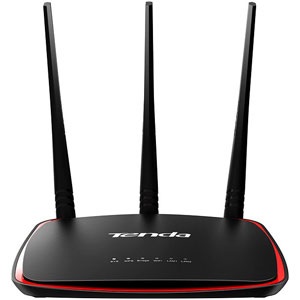
How to Choose a WiFi Router
Thanks to high-quality WiFi signals, devices such as laptops, smartphones and tablets can connect to the Internet anywhere within a network without the need of a cable. Such wireless connections are implemented and managed using a WiFi router. But what exactly can routers do, what are their functions, and what should you consider before choosing one?
Read more »