



Bery Jones Walnuts 1kg
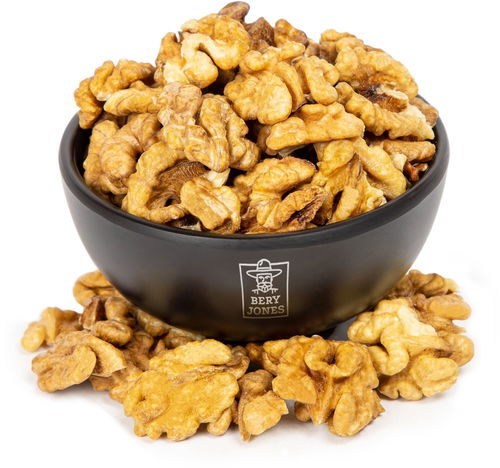
Nuts - natural walnut, 1000 g - 12.90 €/1 kg
Show full description
Great price
12.90 €
Shop faster with pickup at AlzaBox or in-store.
Warranty 24 months
Code:
SPTbery031
Producer's Website:
- Reviews 146
- Help and manuals
- Ingredient
- Specifications
- Photos & Videos 4
- Accessories and suggested products

Bery Jones Walnuts 1kg
12.90 €
In stock > 10 pcs
Buy
Bery Jones Walnuts 1kg
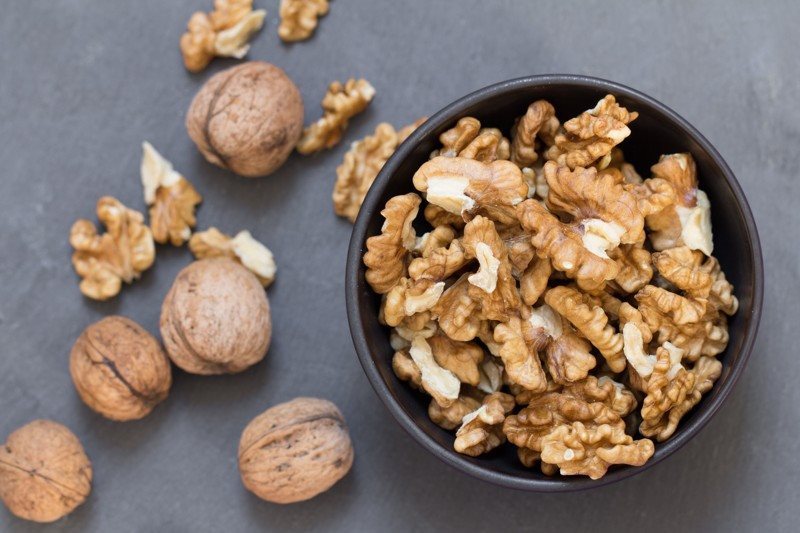
Who doesn't know walnuts. They are a constant in the Czech cuisine and a large part of popular sweet delicacies cannot do without them. But did you know that their color can change from core to core? They range from very light to dark yellow, golden and brown, but there are also varieties with a red core. The producer selects the bright kernels, hand sorts and packs them. This is the only way to guarantee that the package you receive will have a high content of pellets and a minimum of dirt and shells. Walnut kernels also contain a high amount of health benefits and should not be missing from your diet.
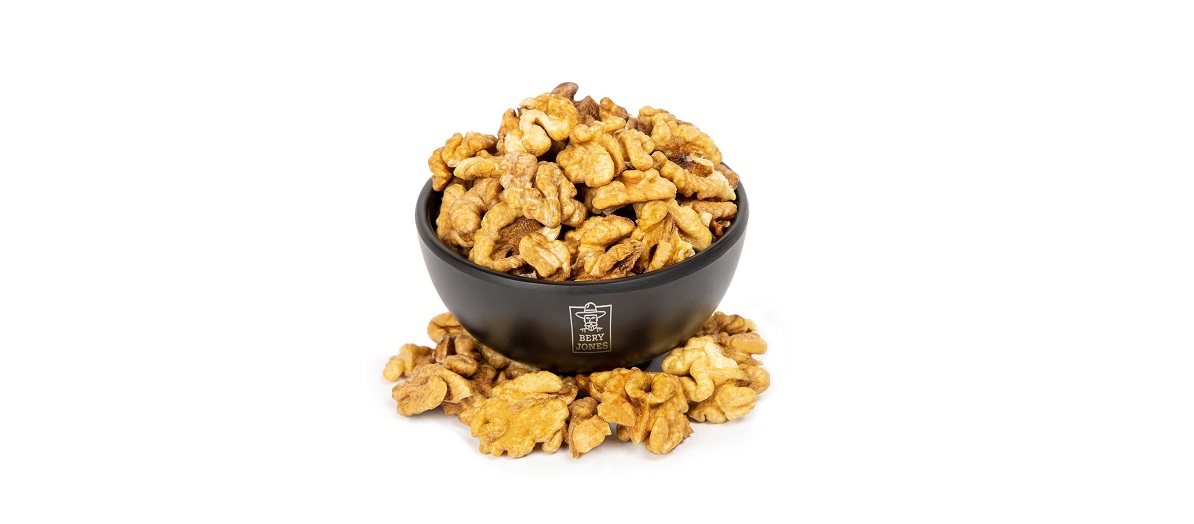
Main advantages of Bery Jones walnuts 1 kg
- Walnuts are a rich source of monounsaturated and especially polyunsaturated fatty acids
- Most contain omega-6 unsaturated acids
- They also contain vitamins B1 and B2, vitamin E, beta-carotene, folic acid and a small proportion of vitamin C
- Most commonly used in sweet pastries
- Add them to your vegetable salad or stuffing for roast chicken
- Resealable packaging
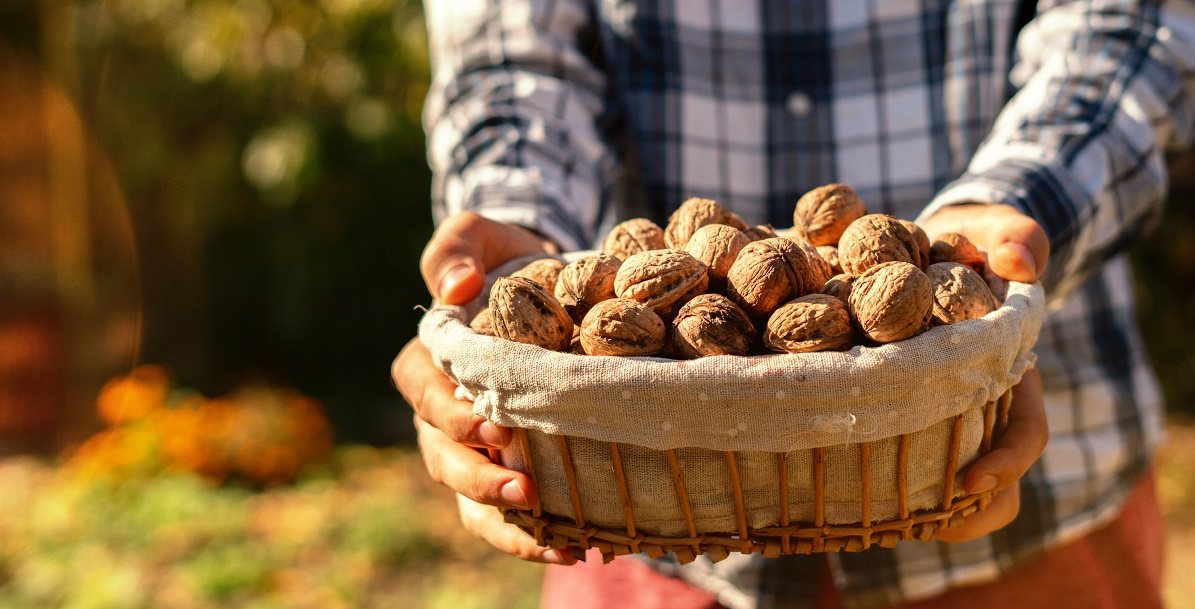
The irresistible taste of walnuts
Like most nuts, walnuts are high in fat and therefore energy. In 100 g they contain 2 740 kJ and 61.2 g of fat, but these are healthy fats. Walnuts are a rich source of monounsaturated and especially polyunsaturated fatty acids. Most contain omega-6 unsaturated acids, but they also have a significant content of omega-3 unsaturated fatty acids. They also contain fibre and protein. They contain 16.3 g per 100g serving. Among minerals, they are rich in magnesium, phosphorus and potassium. They also contain vitamins B1 and B2, vitamin E, beta-carotene, folic acid and a small proportion of vitamin C.
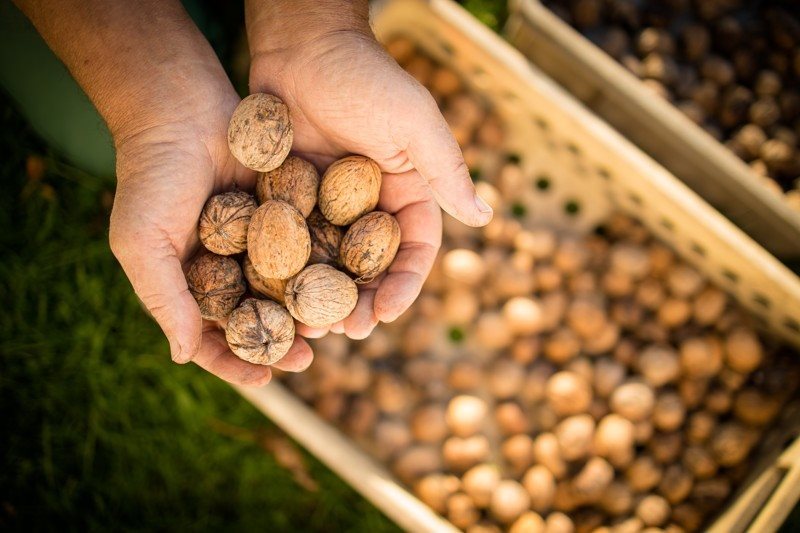
Healthy snacks with walnuts Bery Jones
Walnuts are most commonly used in sweet baked goods. For example, traditional Christmas vanilla rolls are not without them, but they are also often used as pie filling. Don't be afraid to experiment with them and add them to a vegetable salad or stuff them into a roast chicken. There are no limits to imagination, and in the kitchen this is doubly true.
Nutrition information
- Energy value: 2738 kJ / 654 kcal
- Fats: 63 g - of which saturated fatty acids: 7g
- Carbohydrates: 18 g - of which sugars: 4,0 g
- Proteins: 16 g
- Fibre: 6g
Composition and additional information
- Walnut kernels
- Vegan
- Gluten-free
- No added sugar
- Without conservants
Storage conditions
- Do not expose to direct sunlight. Store in a dry and cool place.
Specifications
Calories per 100g
Features
Storage temperature from
Storage temperature to
Protein
Energy value per 100g
Calories per 100g
Features
Features
Storage temperature
Storage temperature from
Storage temperature to
Composition per 100g
Protein
Carbohydrates
Sugars
Fats
Saturated fatty acids
Allergens
Product contains allergens
The product DOES NOT CONTAIN allergens
Weight
Total weight
Country of origin
Země původu
Packaging
Packaging
Nuts
Type of nut
Form
More Specifications

Alza.cz a.s., Jankovcova 1522/53, 170 00 Praha 7 - Holešovice, +420 225 340 111, obchod@alza
Note:
Specifications can be changed without notice. Images are for illustrative purposes only.